



Choosing the right garment for the job
The right question isn't "how much should I spend?" It's "who's wearing this, and what does it have to survive?" Get that right and the price sorts itself out.
Forget the price tag — think about the job
Ask most people to pick workwear and they start with the price — cheapest to be safe, or dearest to be sure. Both are the wrong starting point, and both lead to kit that doesn't do what it needs to.
A more expensive garment isn't automatically a better garment for you. It's better at being what it is — a fashion piece, an office layer, a rugged workhorse — and those are different jobs. A premium weekend hoodie and a hard-wearing work polo aren't competing on quality; they're built for different lives.
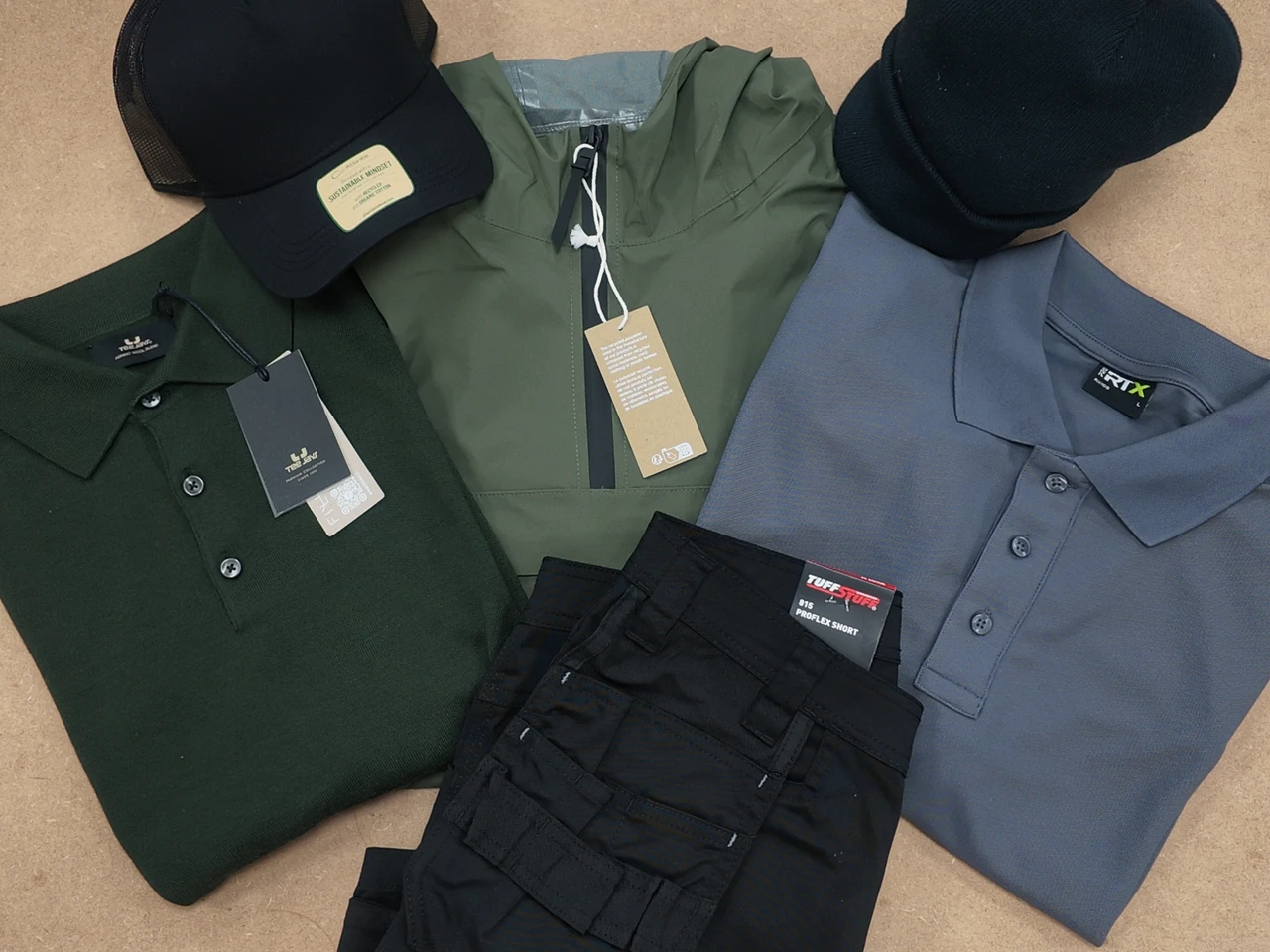
So the useful way to sort workwear isn't by price band. It's by what the garment is for and how it'll be treated. We talk about three tiers — Core, Midrange and Retail — and none of them is "the good one." Each is the right one for a particular job.
Core, Midrange & Retail — in plain English
These describe use, not status. Core isn't the "cheap option" and Retail isn't the "best." They're answers to different questions.
The workhorse
On the tools · on site · physical work
Entry-level, hard-wearing, built for rugged daily use and washed hard. It survives dirt, sweat and a proper wash, day in, day out — exactly what someone doing physical work actually needs.
The office standard
Office teams · customer-facing staff
Smarter garments for people who aren't putting their clothes through the wringer — worn steadily and looked after rather than battered. Not built to be washed at 60°C every night, and it doesn't need to be.
Weekend & fashion level
Brand-forward teams · wear-it-off-the-clock
Premium, fashion-grade product — the kind of thing someone would happily wear off the clock. Still fully customisable for embroidery or print; just built for a different life.
Match the tier to the person wearing it
Here's where it most often goes sideways. Customers frequently ask for Midrange or Retail because it feels like the safe, generous choice — when the person actually wearing it needs Core.
Take someone kitting out a team of ground workers who asks for a premium hoodie, wanting to treat their staff well. That garment is going to be worn on site, dragged through a physical day, and washed hot to get it clean — and a premium fashion hoodie isn't built for that. It'll look tired fast. The kinder choice, and the one that lasts, is a rugged Core garment made for exactly that treatment. Spending more, there, buys less suitability, not more.
It runs the other way too. We've had customers in heavy cotton garments that shrink and struggle at the temperatures their work demands — and moving them down to a hard-wearing garment built for hot washes solved it outright. The tier that fixed it wasn't the dearer one; it was the right one.
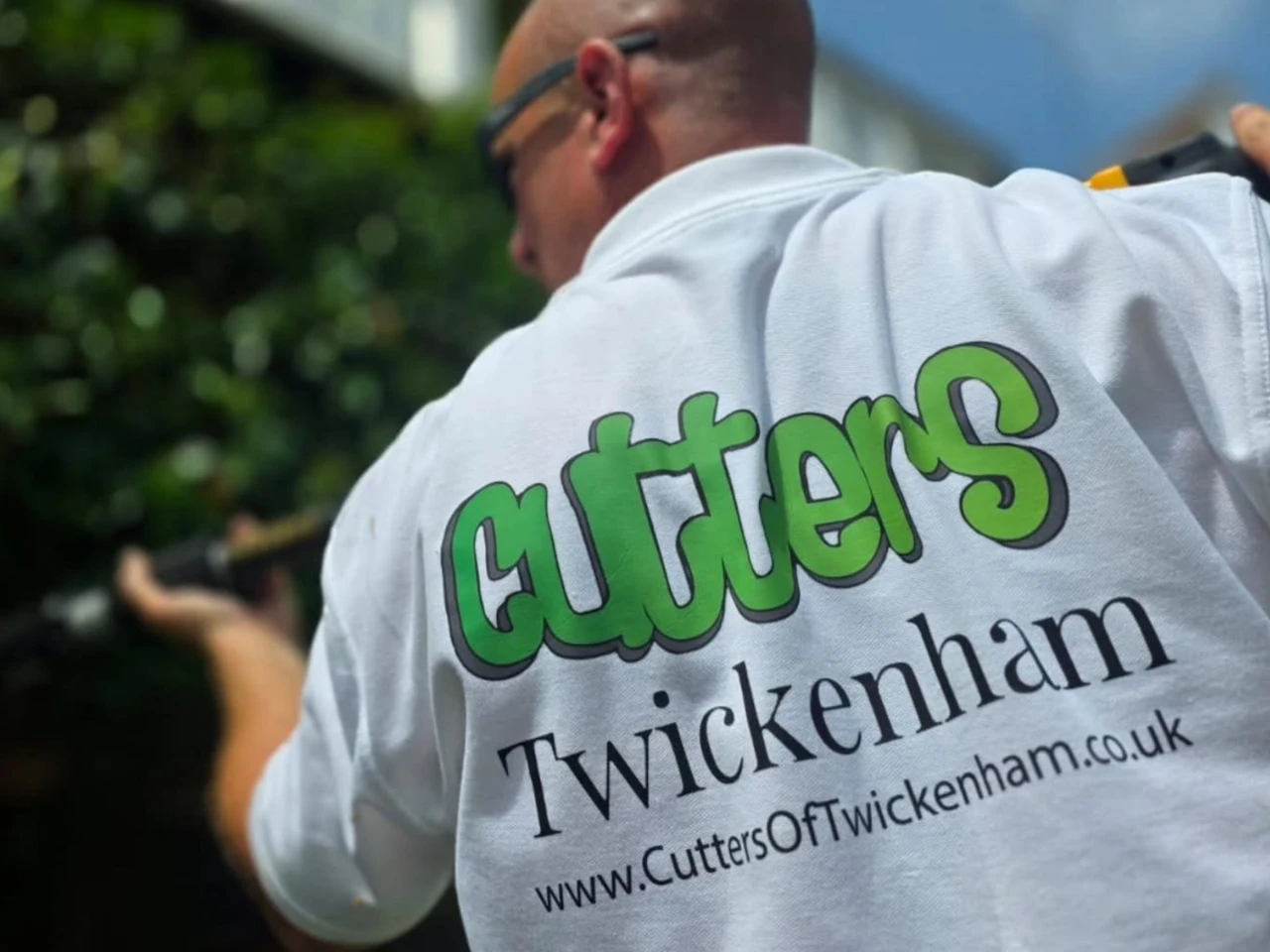
Picture the wearer first — on the tools or at a desk, washed hot or gently, battered daily or worn a few times a week. That points to the tier. It rarely has anything to do with the biggest number.— How we size up every job
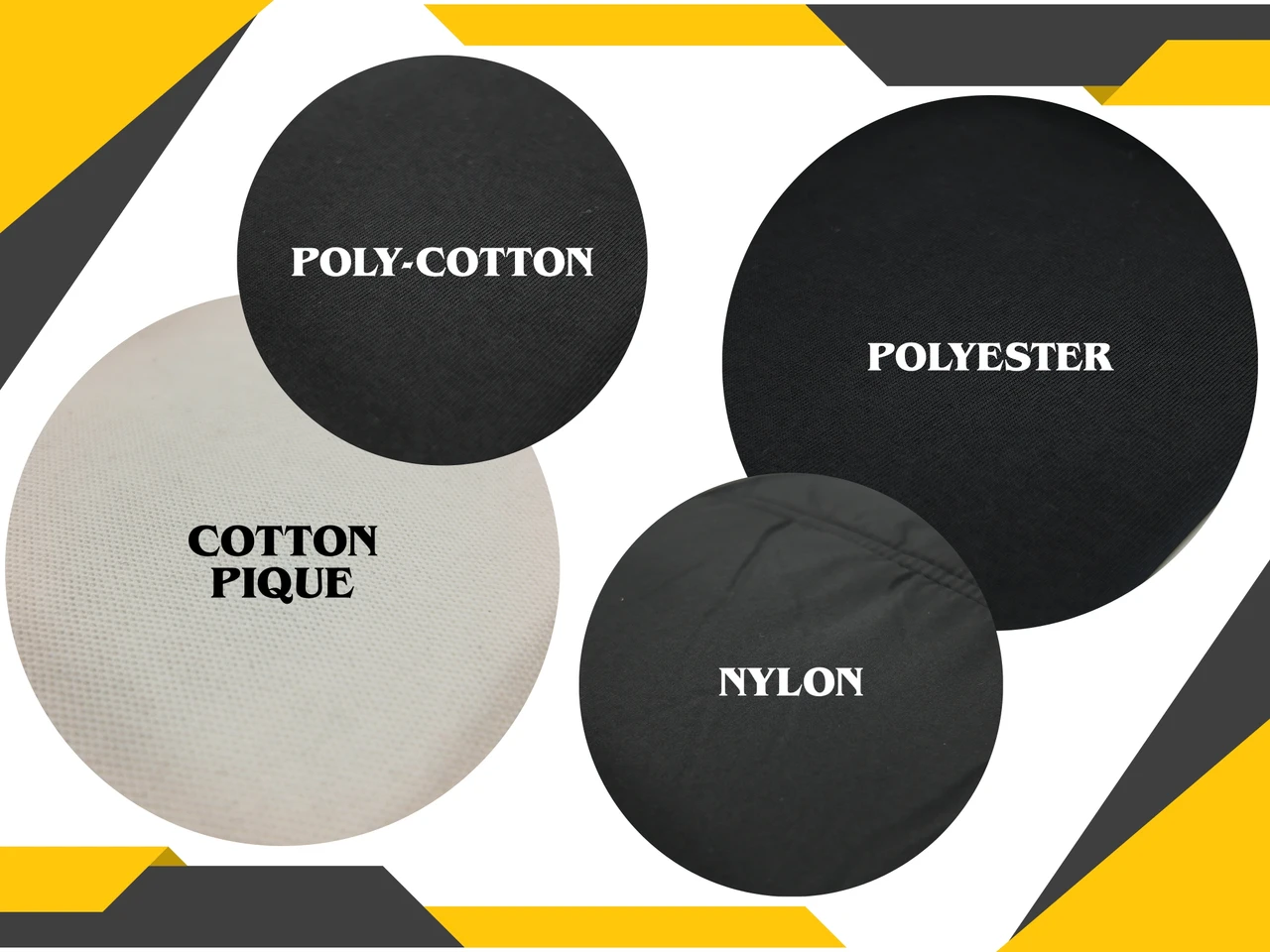
It's the fabric, not the price, that decides the finish
Spending more doesn't automatically give you a better-looking logo. What actually decides how well your branding performs is the fabric.
Polyester tends to take print beautifully. A cotton-knit polo tends to take embroidery better — print can work into the knit, but it wears over many washes. A tightly knitted fabric behaves differently from a relaxed one. So "what's it made of, and how will it be decorated?" tells you far more about the result than "what did it cost?"
Our guide on embroidery vs print goes deeper on matching the finish to the fabric.
When two garments cost the same
Often you'll be weighing two garments at much the same price. That's exactly where experience earns its place.
When the numbers don't separate two options, the tie-breaker is everything we've seen — what we've worn, washed and watched over time. How does it fit? How does the logo look at wash fifty versus wash three? Which fabric holds up, and which quietly goes tired? That's knowledge you can't read off a spec sheet or a price — and it's the part of the decision we're happiest to help with, because we've usually already put the garment through its paces.
How we help you choose
You don't need to know the tiers by name. Tell us who's wearing the kit, what they'll be doing in it, and how it'll be washed — and we'll point you to the garment that genuinely fits the job, up, down or across a tier.
Sometimes that means recommending something less expensive than you expected, because it'll last longer doing the work you actually need. We'd far rather do that than sell you a premium garment we know won't survive the job.
Keep deciding with confidence
Embroidery or Print?
Match the finish to the fabric and the job.
Getting Your Logo Ready
Send the right file so your branding performs.
How Long Does It Take?
Lead times, and how to get your kit faster.
Workwear Bundles
Kit built around the job, not the price tag.
The Penguin Academy
Advice-first guides to help you decide before you order.
Contact Our Team
Tell us the job and we'll recommend the garment.